

Writing in Third Person Intimate Point of View
Writing in third-person intimate point of view (POV) allows the author to write deeply from a character’s perspective as in first-person POV, but it also allows the story to be told from several points of view—the changes just have to be carefully done to avoid head hopping. The reason to choose third-person intimate over omniscient POV is that the reader gets right into the mind of the character and so gets to know the characters more deeply than they would with omniscient POV. Because the story is told in the character’s voice, it’s more interesting and engaging than omniscient, which is a very remote way of telling a story. See my last post for an explanation of the difference between the two points of view. Beginner’s faults Unless they’ve done a lot of previous study of the writing craft, beginning authors who use third-person POV often think they’re writing in…
The Difference between Third Person Intimate and Omniscient Point of View
Do you wonder about the difference between third person intimate and omniscient point of view? Have you ever considered using an intimate point of view but aren’t sure what that means? If so, read on. Writing a novel? Feeling overwhelmed? Get new insight and inspiration with my FREE Novel Revision Checklist. DOWNLOAD IT NOW. You’ll also get fortnightly articles on writing sent to your inbox. Why point of view confusion is common If you find the differences in third person point of view confusing, you’re not the only one. It was one of the aspects of writing craft that took me a very long time to get my head around. The problem is that the differences can be subtle, and though third person intimate writing can—and often does—go in and out of an omniscient point of view, a book written in omniscient point of view should never stray into an…
Writing Metaphysical Fiction: The Metaphysics are not Enough
Metaphysical fiction is one of the genres that has increased with the self-publishing revolution. Many authors are writing metaphysical fiction, or books with a metaphysical aspect to them, but at the moment it has a relatively small following, and the books that do well in terms of sales also fit into another more popular genre. What is metaphysical fiction? One of the things that holds the genre back is that many, if not most, readers have no idea what metaphysical fiction is, and the best of it is couched in stories that fit other genres as well, which makes it hard for readers to know if they’ll enjoy a look listed as metaphysical. Metaphysical fiction are stories that include some aspect of the inner, incorporeal, supernatural, spiritual, archetypal or transcendent aspects of human experience and may emphasise an individual’s movement towards self-actualisation. The term ‘metaphysical fiction’ is a description of…
How to Avoid Head Hopping in Fiction Writing
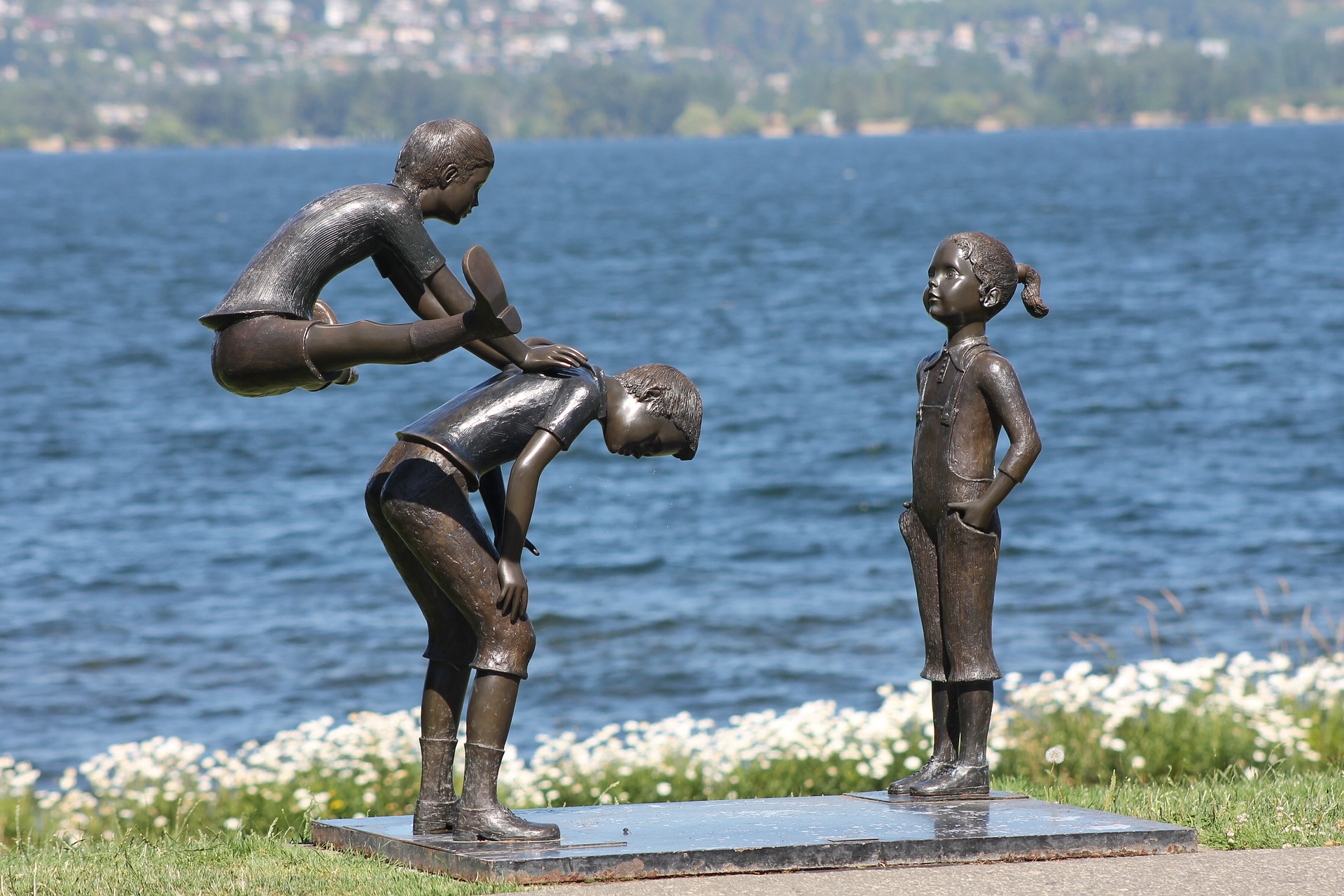
The following article on how to avoid head hopping in fiction writing is an excerpt from my book The Elements of Active Prose: Writing Tips to Make Your Prose Shine. What is head hopping? Many readers don’t notice head hopping unless it’s really chronic, but writing is better without it, and it’s a common trap for new writers. Some writers maintain that whether or not you head-hop is a personal preference rather than an indication of quality, but head-hopping definitely does weaken the writing. People aren’t always clear about what head-hopping means, so it’s important that we clarify that. Let us start with what head-hopping isn’t. The term head-hopping does NOT refer to point of view changes that occur: Chapter by chapter, i.e. one chapter in one POV and another chapter in a different POV; Scene by scene changes in POV where it is obvious that the scene has changed; As one clearly…

Writing Point of View – can we diverge from the ‘rules’?
When writing a novel, which writing point of view you’re going to use in your book is one of the first things on which you should decide. Why? Because it sets your whole approach to writing the story, and if your writing point of view isn’t consistent and changes between points of view aren’t clear, you cause the reader confusion. What is writing point of view? The term ‘point of view’ in writing refers to the viewpoint taken by the narrator of the story. We see and write the story from someone’s perspective. Essentially you must ask; does my central character refer to themselves as ‘I’ or ‘he or she’? Or is my narrator outside of all the characters? Third person confusions One of the tricky areas in writing point of view (POV) is that omniscient point of view and third person intimate are both third-person viewpoints – they use…

Why a Second Manuscript Appraisal is Sometimes a Good Idea
Sometimes one manuscript appraisal isn’t enough to give an author the information they need to fully refine their work. This happens when there are more issues than those at the structural level of plot, characterisation, pacing, dialogue and so on – see my Editing Services page for more information. In this instance one appraisal simply can’t cover all the points an author can be made aware of, due to the necessity to deal with the big elements first. There is only so much information an author can work with at one time. For this reason, I sometimes suggest to an author who brings a manuscript back to me after they’ve worked on it in light of my appraisal that they do a second appraisal. And when that happens, a colleage called Charles Ray, part of the AIA Publishing team, does the job. In this case, I look at the big…

Writing Therapy and Writing for Publication
Writing therapy can be more than writing a journal on a therapist’s suggestion—though writing a journal may be the stimulus for someone more ambitious. Where someone has a long story to tell, writing therapy can take the shape of a whole book. Or, approaching it from the writing rather than the therapy side, writing a memoir can be therapy in that it is an excellent way to find closure on a period of our life that was difficult in some way or another. Difficult times & horrifying statistics We all have difficult periods in our lives, and these times can either break us or make us. We can buckle under the weight of them and let them destroy us or we can see them as a learning opportunity and grow from them, even if we have to fall to the depths of despair first. With the help of a good…

Keeping Writing Regardless of Success or Failure
Writing success or failure; what do you do when you’ve failed or can’t replicate a previous success? Give up or keep writing. The answer is the same. What defines success or failure for you? Few authors achieve best-selling status or make a living just from their writing; many manage with a part time job to add to their income, but most authors will never be in a situation to give up their day job, and that’s fine if you’re not trying to be a full-time author. And why should you? If you’re a full-time author, you have to keep producing books whether you’re inspired or not. For me that pressure would be a problem. Someone who’s not aiming to be a career author isn’t necessarily any less serious about their writing than someone who is. But either way, you’ll have some benchmark you imagine for what you might call success…

Writing a Memoir: Are you a Real Author?
A client involved in writing a memoir said to me the other day that he didn’t want to take my time away from the real authors, and I said, ‘You are a real author. You’ve written a book, haven’t you?’ He thought that because he was a hobby author, just writing a memoir, not a career author that he wasn’t a ‘real author’, and that set me thinking. We’re all authors We’re all authors actually. We are constantly writing the story of our lives, not necessarily with a pen, a pencil or a computer, but with every decision we make. We are the authors of our lives. We create our own story. Of course, we don’t have control over all the events in our lives. I certainly didn’t want thyroid cancer or any other kind of cancer. I never signed up to have epilepsy either, but it was my decision…

How to Revise a Novel
Once you’ve written several drafts of your book and you’ve received feedback from beta readers and/or a manuscript appraiser, you’ll need to know how to revise a novel because your feedback will most likely indicate the necessity for some revision. This is the last hurdle, the bit that might take a bit of effort, but if you pull it off, you’re on the home straight, and it’s easy sailing from here to the finish line. Yeah, I love analogies! How much work is required depends on many factors and how much direction you’ve got from your beta readers, but often they will point out something that doesn’t work without knowing exactly why. Your task is to find out why it doesn’t work and fix it. You may need only a few changes, but you may also need a complete rewrite, depending on the feedback you received. Regardless of how much revision…